


Olive oil
Onion, peeled & minced
Garlic, peeled & minced
Crushed tinned tomatoes
Raw sugar
Salt
Fresh basil, picked
2 Tbsp
1 Med
3 Cloves
3 x 400g Tins
1 tsp
To taste
1/4 Bunch
Method
This Napoli sauce recipe is endlessly useful, and once you’ve made it from scratch, you’ll wonder why you ever bought a jar.
- Heat the oil – Warm olive oil in a large saucepan over medium heat.
- Soften the onion – Add onion & cook, stirring occasionally, until soft and translucent.
- Add the garlic – Add the garlic & cook until fragrant, being careful not to let it brown.
- Add the tomatoes & simmer – Pour in crushed tomatoes. Bring to a gentle simmer, then reduce heat to low. Let it simmer uncovered, stirring occasionally, until thickened slightly.
- Season well – Adjust the balance of the sauce with salt & sugar. (Each batch will be slightly different depending on the tomatoes you use, so add a little at a time and keep tasting until it’s to your liking).
- Finish with basil – Stir through fresh basil, tearing the leaves as you add them.
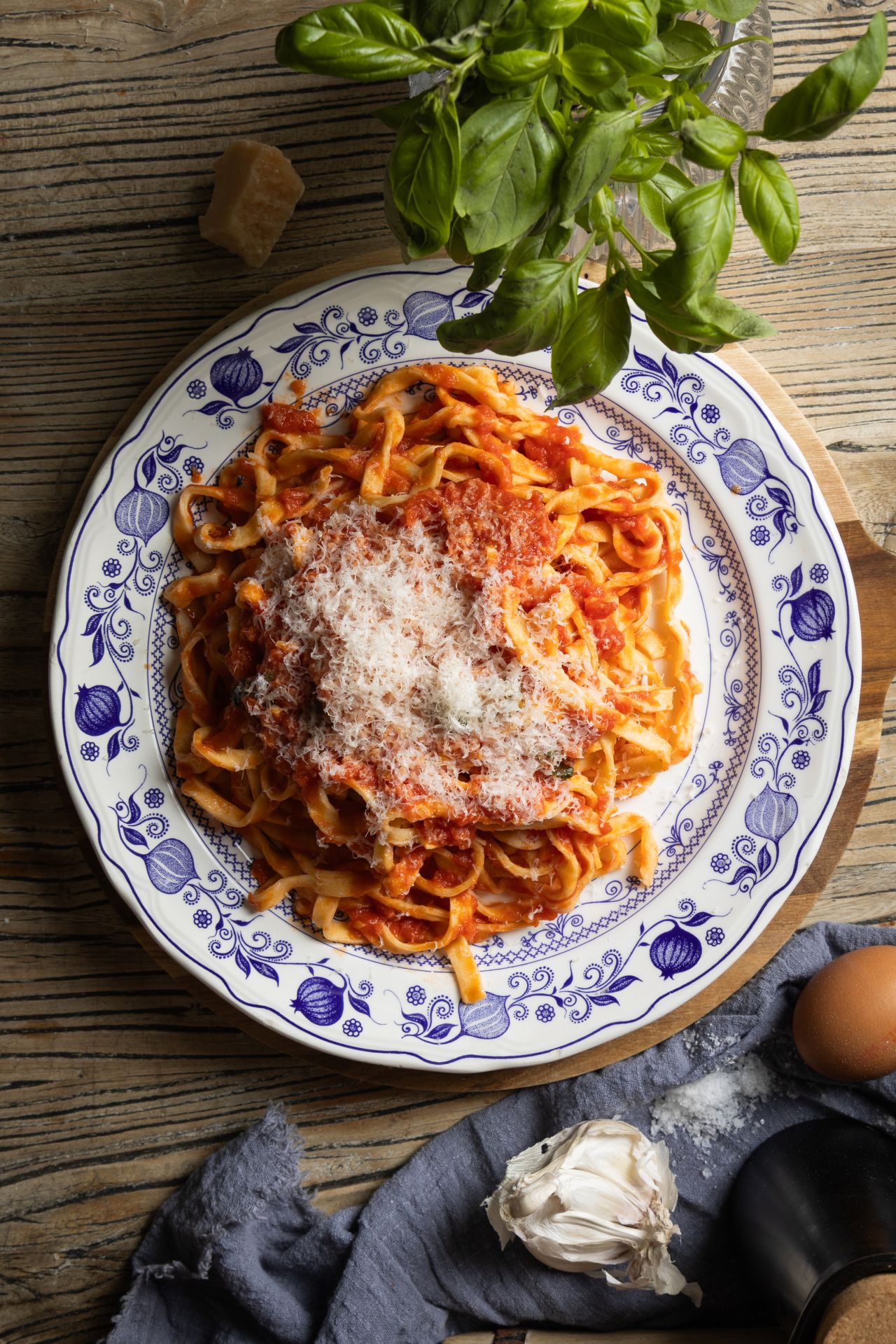
Toss it through your favourite pasta, use it as a pizza base, or ladle it over meatballs. This Napoli sauce recipe endlessly useful, and once you’ve made it from scratch, you’ll wonder why you ever bought a jar!
About this recipe
Every Italian kitchen has a version of this Napoli sauce, and none of them follows an exact recipe. A Napoli sauce is the kind of thing you learn by watching, tasting and adjusting. A little more salt here, a pinch of sugar there, depending on the tomatoes you’re working with. This Napoli sauce recipe keeps it as simple as it gets: crushed tinned tomatoes, onion, garlic, olive oil, basil and time.
The key to a rich Napoli sauce is the slow simmer. Thirty minutes on a low heat gives the tomatoes time to break down and concentrate, turning three tins of crushed tomatoes into something rich, sweet and deeply savoury.
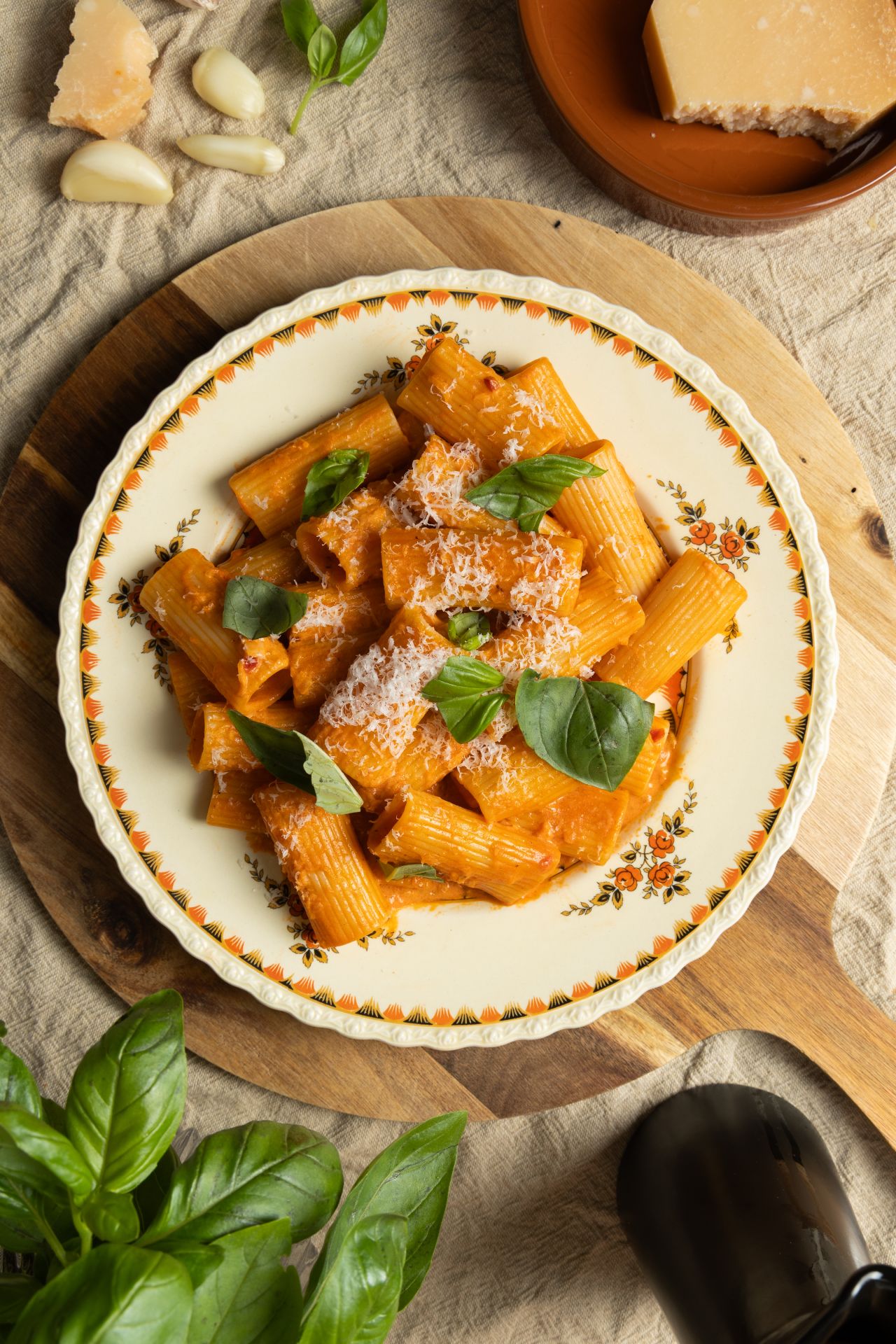
This is a base sauce, which means it works with almost anything. Toss the Napoli sauce through spaghetti or rigatoni for a quick dinner, use it as the foundation for our Vodka Pasta (just add cream, chilli and a splash of vodka), layer it into a lasagne, or spoon it over meatballs. If you’re building an Italian pasta night, pair the Napoli sauce with something bolder like a Spaghetti alla Puttanesca or a creamy Sausage and Greens Orecchiette as a second course.
Browse more Italian recipes, or check out our World Pasta Day feature for easy weeknight ideas.
What is napoli sauce?
Napoli sauce, also called sugo al pomodoro, is a simple Italian tomato sauce that originated in Naples. Made with crushed tomatoes, garlic, onion, olive oil and fresh basil, it’s one of the most basic sauces in Italian cooking. There is no meat or chilli added, unlike in other pasta sauces. A Napoli sauce is clean, versatile and forms the base for dozens of classic Italian dishes.
What's the difference between napoli sauce and marinara sauce?
The two sauces are closely related; however, there are subtle differences between them. A traditional Napoli sauce is smoother and has more depth because it’s simmered for longer, while a Marinara sauce is chunkier in texture and cooked for less time. Onions are added to Napoli sauce recipes but are left out in Marinara sauces.
Can you freeze napoli sauce?
Yes, Napoli sauce freezes well. Make a big batch of sauce, cool it completely, then portion into airtight containers or zip-lock bags. It keeps in the freezer for up to three months. To use, defrost in the fridge overnight or warm it gently in a saucepan over low heat.
Why do you add sugar to napoli sauce?
Adding a small amount of sugar balances the natural acidity of tinned tomatoes in the Napoli sauce. The exact amount depends on the brand and quality of tomatoes you’re using, as some are sweeter or more acidic. Add the sugar gradually and taste as you go. This Napoli sauce recipe uses raw sugar, which dissolves easily and doesn’t leave any aftertaste. It’s a small addition that makes a noticeable difference to the final flavour.
What pasta goes best with napoli sauce?
Napoli sauce pairs well with almost any pasta shape. Spaghetti is the classic pairing, but rigatoni, penne and fusilli all hold the sauce well. Try it spooned over fresh gnocchi or use it as the base layer in a lasagne for something different. The Napoli sauce in this recipe is thin enough to coat long pasta, but rich enough to cling to shorter, ridged shapes too.